
The Art of Being Someone People Want to Invite Back
There are certain people who are simply a pleasure to have over. They arrive with something thoughtful in hand, make conversation with the people around them, and somehow leave the evening feeling easier for everyone involved.
They aren’t necessarily the most entertaining person in the room, nor are they the ones who arrive with the most impressive hostess gift.
More often, they’re the people who understand that being a guest comes with its own responsibilities.
We spend a great deal of time considering what makes someone a wonderful host. How to prepare a welcoming home, anticipate guests’ needs, and create an atmosphere in which people feel comfortable. But good hospitality is not entirely the responsibility of the person extending the invitation.
There is an art to being invited into someone’s home, too.
And much of it comes down to a simple principle: A thoughtful guest makes the evening more enjoyable, not more demanding, for the person who invited her.
Good Houseguest Etiquette, at a Glance
- RSVP promptly and arrive at the agreed time.
- Offer to bring something specific.
- Bring a thoughtful hostess gift when the occasion calls for one.
- Put your phone away and include others in conversation.
- Offer to help, but respect your host’s answer.
- Clean up after yourself.
- Recognize when it’s time to leave.
- Send a genuine thank-you afterward.
Before You Arrive, Be Considerate
Thoughtfulness begins before the doorbell rings. Respond promptly to invitations so your host can plan accordingly, and arrive at the agreed time. Showing up too early can be just as inconvenient as arriving late, particularly when your host is finishing preparations.
Consider offering to bring something, too. Rather than simply asking, “Can I bring anything?” try, “I’d love to bring an appetizer or dessert. Would either be helpful?” A specific offer makes it easier for your host to accept something she actually needs.
And if she declines, graciously accept her answer.
Bring a Thoughtful Gift When the Occasion Calls for One
Not every invitation requires a hostess gift. A casual movie night at a friend’s apartment is different from a dinner party or an overnight stay.
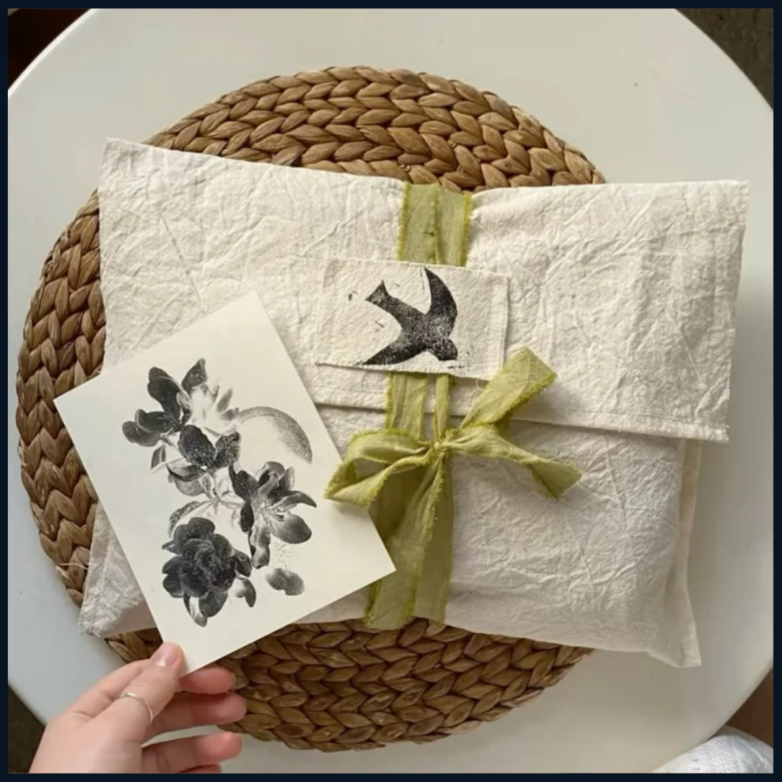
When a gift is appropriate, choose something suited to the host and occasion: a favorite bottle of wine, a baked good from a local bakery, or a set of beautiful cocktail napkins. Fresh flowers are lovely, too, but bring them already arranged in a vase so your host doesn’t have another task to manage.
The point is thoughtfulness, not expense.
Be Interested Rather Than Interesting
One of the kindest things a guest can do is take an interest in the people around her. Put your phone away, participate in conversation, and resist spending the entire evening with people you already know.
Notice someone standing apart from the group? Invite her into the conversation or introduce her to someone with whom she might have something in common. Your host likely feels responsible for making everyone comfortable, and helping others feel included allows her to enjoy the evening, too.
Even small courtesies matter. After greeting your host, move away from the doorway so other guests can enter comfortably.
You don’t need to be the most outgoing person in the room. Often, being genuinely interested in others is enough.
Know When to Help, and When Not To
A considerate guest pays attention. Offer to carry a dish, help with a spill, or clear plates when appropriate. But if your host declines, respect her answer. Some hosts prefer to handle certain tasks themselves, and insisting on helping can create more work rather than less.
Regardless, always clean up after yourself. Don’t leave empty glasses scattered around the living room or personal belongings across shared spaces.
If you’re staying overnight, keep your things tidy and ask before leaving whether your host would prefer you to strip the bed or leave the sheets as they are, and ask what she would like you to do with your towels.
Know When the Evening Is Ending
Part of being a gracious guest is recognizing when it’s time to leave.
Pay attention to subtle cues: the music turning off, dishes being cleared, conversation winding down, or your host mentioning an early morning. Don’t make someone announce that the gathering is over.
When you leave, thank your host sincerely and avoid turning your goodbye into another lengthy conversation at the door.
Follow Up With a Thank-You
A thoughtful guest’s final gesture often happens after the gathering.
Send a message the following day thanking your host for having you. A text or phone call is perfectly appropriate for most casual gatherings, while a handwritten note can be especially meaningful after a formal occasion or extended stay.
Be specific. Mention the wonderful dinner, a conversation you enjoyed, or how lovely it was to spend time together.
The best guests don’t simply enjoy the hospitality extended to them.
They return a little of it.