
The Art of Making People Want to Stay Awhile
The Art of Making People Want to Stay Awhile
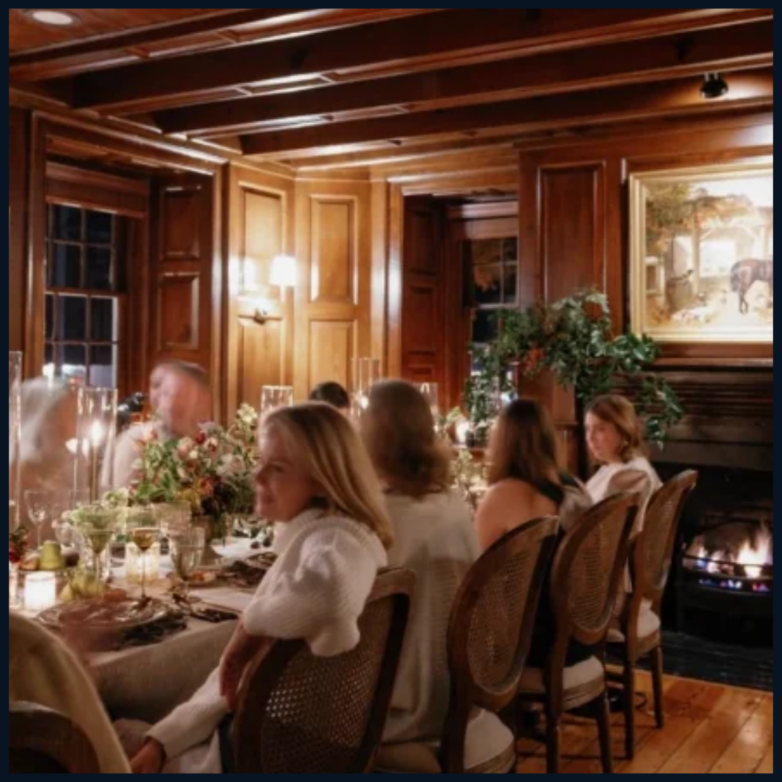
There are certain homes where you find yourself staying longer than you intended. Conversation moves from the dining table to the living room, someone offers another glass of wine, and before you know it, the evening has slipped away.
It isn’t necessarily the most beautiful home you’ve visited, or the one with the most elaborate meal. Often, it’s difficult to identify exactly what made the evening so enjoyable.
You simply felt welcome.
The art of making people want to stay awhile is rarely found in grand gestures. More often, it’s a collection of small, intentional preparations made with someone else’s comfort in mind. The kind of thoughtfulness a guest may never consciously notice, but will certainly feel.
Prepare the Spaces Your Guests Will Actually Use
A welcoming home doesn’t require an expansive living room or expensive furnishings. It requires a little consideration for how guests will experience the space.
Before they arrive, think through the places they’ll spend their time. Clear the couches and chairs so everyone has somewhere comfortable to sit. Arrange seating to encourage conversation rather than leaving someone isolated on the other side of the room. Make space on the coffee table for drinks and appetizers.
And don’t forget the bathroom.
A fresh hand towel, a nice bar of soap, and a candle can make even the smallest guest bathroom feel thoughtfully prepared. It’s a detail that takes only a few minutes but communicates that your guests’ comfort has been considered beyond the living room.
The atmosphere deserves some attention, too. Soft jazz, warm lamps, and a candle might suit an intimate evening with friends, while festive music and seasonal decorations can make a larger gathering feel celebratory.
The goal isn’t perfection. It’s to create a space in which people can settle in without feeling as though their arrival has caused an inconvenience.
Make the First Five Minutes Effortless
The first few minutes of a gathering often determine how comfortable someone feels for the rest of the evening.
Have a drink ready to offer when guests arrive. It doesn’t need to be elaborate. A glass of wine, sparkling water with lemon, or a simple seasonal drink gives someone something to enjoy while the evening gets underway.
Set out a pitcher of water and glasses where guests can help themselves. A small arrangement of finger foods or appetizers offers the same convenience. Nobody should have to wonder whether they’re allowed to get a drink or ask where to find a napkin.
And when guests don’t know one another, introductions can make all the difference.
Rather than simply saying, “This is Caroline,” give them something to begin a conversation with: “This is Caroline. You two both spent last summer in Charleston!”
A thoughtful introduction does more than exchange names. It gives people a way into the conversation and relieves them of the awkward task of finding common ground on their own.
Let Thoughtfulness Be Easier Than Perfection
Hospitality can become unnecessarily complicated when we convince ourselves that everything must be homemade, perfectly arranged, or prepared entirely on our own.
There’s nothing wrong with picking up food from a favorite restaurant or bakery and arranging it on a beautiful platter. A thoughtfully presented assortment of appetizers can be every bit as inviting as something that took hours to prepare.
And if a guest offers to bring something, consider letting her. Accepting a dessert, a bottle of wine, or an appetizer doesn’t make you any less gracious a host. Sometimes allowing someone to contribute is part of making her feel comfortable.
What matters is that the gathering feels intentional, not that every detail can be credited to the person hosting it.
A guest who arrives to find her host frantically preparing dinner, searching for serving dishes, and apologizing for everything that isn’t finished may begin to feel obligated to help rather than invited to relax.
Whenever possible, have the essentials ready before the doorbell rings. Leave the finishing touches for later, or simplify the plans altogether.
Be Prepared for the Evening to Continue
Some of the most enjoyable gatherings are the ones that unfold beyond their original plans.
Dinner turns into another conversation on the couch. Someone suggests a second cup of coffee. Before anyone realizes it, another hour has passed.
A thoughtful host leaves a little room for those moments.
Keep a bottle of wine chilling in the refrigerator, have coffee or tea available, or set aside a small dessert that can be brought out if the evening continues.
These aren’t necessities, and they certainly aren’t reasons to pressure guests into staying. They’re simply ways to make an unplanned extension of the evening feel effortless.
The best gatherings often have just enough preparation to allow for spontaneity.
Be a Host Who Enjoys Her Own Party
Perhaps one of the most overlooked elements of hospitality is the host’s willingness to enjoy her own gathering.
It can be tempting to spend the evening clearing plates, straightening cushions, wiping counters, and making sure everything remains exactly as it was when guests arrived.
But a guest who watches her host continually working may begin to wonder whether she’s creating more trouble than she’s worth.
Of course, dinner must be served, dishes occasionally cleared, and drinks replenished. But not every task needs to be completed the moment it presents itself.
Sometimes the most hospitable thing a woman can do is leave the dishes in the sink, sit down on the couch, and enjoy the people she invited over.
A relaxed host gives her guests permission to relax, too.
Being attentive also means recognizing when the evening has naturally come to a close. If someone mentions an early morning, begins gathering her things, or makes a move toward the door, a gracious host allows her to leave without making her feel guilty.
After all, making people want to stay awhile is not the same as persuading them to stay longer than they wish.
The homes we remember most fondly aren’t necessarily the ones with the finest furniture, the most elaborate tables, or the most impressive meals.
They’re the ones where we felt our company was a pleasure rather than an obligation.
Perhaps that’s the real art of making people want to stay awhile: creating a place where they never have to wonder whether they’re welcome.